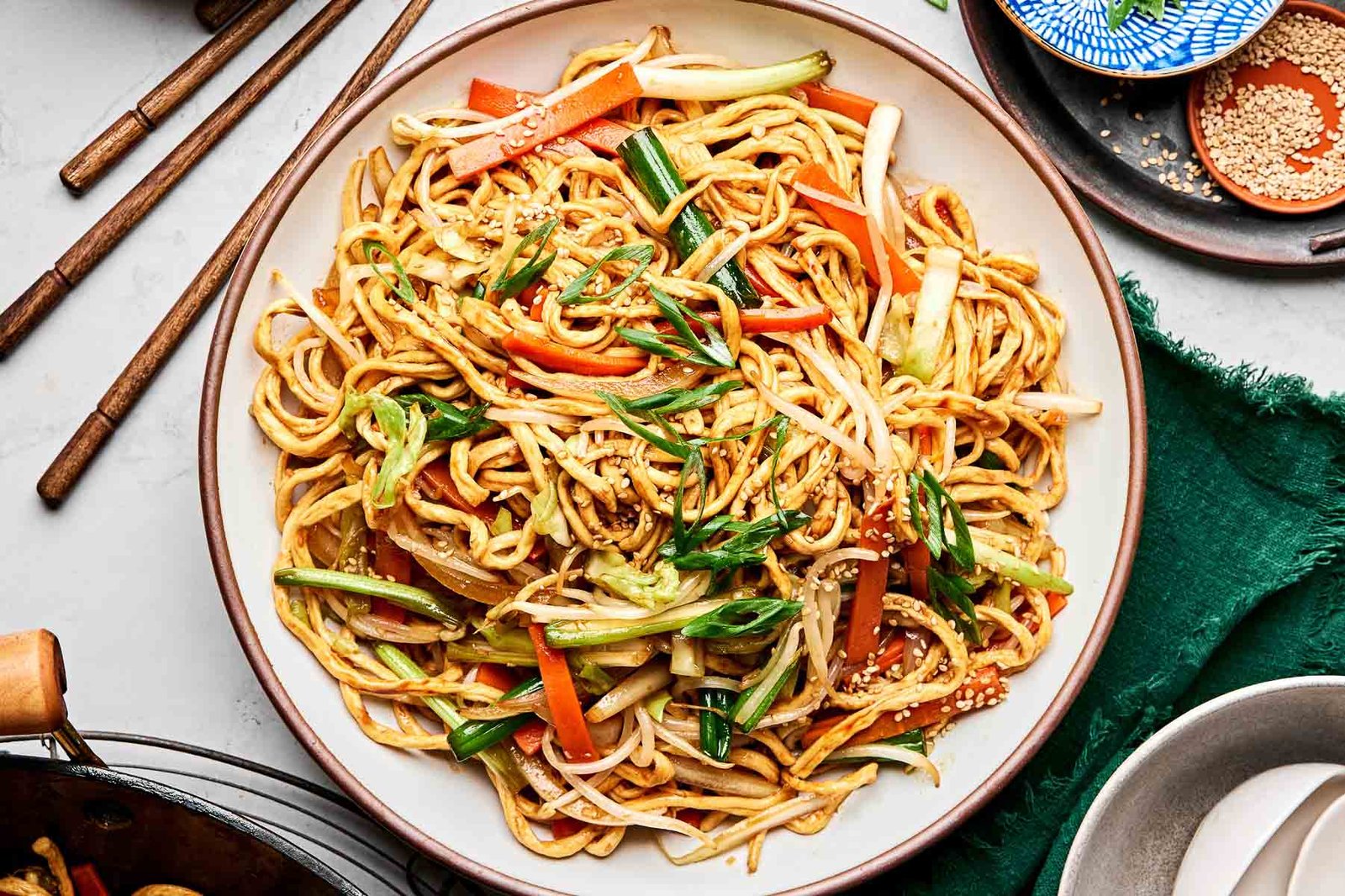
I still remember the first time I threw together a big bowl of veggie sesame noodles on a humid summer evening when the last thing I wanted was to turn on the stove for long. My fridge was overflowing with random produce from the farmers market—carrots, cabbage, a lone cucumber—and I had a half-empty jar of tahini staring back at me. One whisk, one toss, and suddenly dinner felt like takeout but better: brighter, fresher, and guilt-free. That simple moment turned into a staple in my kitchen, the kind of dish I make when life gets hectic yet I refuse to settle for boring.
What started as a quick fix has become my secret weapon for weeknight wins, potlucks, and even meal-prep lunches that actually taste good on day three. These noodles deliver that addictive sesame sauce hug with a rainbow of crisp vegetables that make every bite pop. Whether you’re new to Asian-inspired cooking or a noodle obsessive like me, this recipe delivers big flavor without the fuss.
What Exactly Are Veggie Sesame Noodles?
Veggie sesame noodles are a modern, vegetable-heavy twist on classic Chinese sesame noodles, where tender noodles get coated in a nutty, savory sauce and mixed with loads of raw or lightly cooked produce for texture and color. The sauce usually stars toasted sesame oil or tahini, balanced with soy or tamari, a touch of acid like lime or vinegar, garlic, ginger, and a hint of heat or sweetness. Unlike traditional versions that focus mainly on the noodles, this style swaps in or adds heaps of veggies to turn it into a complete, satisfying meal or standout side.
The Origins and Evolution of Sesame Noodles
Sesame noodles trace their roots back to China, with cold versions appearing as early as the Tang Dynasty around 700 AD, often featuring sesame paste for that signature creaminess. The dish exploded in popularity in the U.S. during the 1970s thanks to chef Shorty Tang at his Manhattan Chinatown restaurant Hwa Yuan, where the peanut-butter-laced, chilled take became a staple. Over time, home cooks like us have evolved it further by packing in colorful vegetables to boost nutrition and crunch, creating the veggie-forward version so many crave today.
Why You Should Make Veggie Sesame Noodles at Home
Nothing beats the control you have when you make veggie sesame noodles yourself—no mystery additives, no overly sweet takeout sauce, and exactly the veggie ratio you love. It comes together in about 30 minutes, costs a fraction of restaurant prices, and adapts to whatever’s in your crisper drawer. Plus, it feels like a small victory on busy days when you want something wholesome yet crave-worthy.
- Pros: Quick prep, endlessly customizable, naturally vegan and easily gluten-free, great for meal prep, kid-friendly when you dial down the spice.
- Cons: Can get soggy if over-dressed or stored too long with watery veggies, requires a few specialty pantry items like tahini or good sesame oil for best results.
Key Ingredients for the Perfect Veggie Sesame Noodles
The magic happens when you pick quality staples that balance nutty richness with bright acidity and fresh crunch. Focus on fresh produce and a well-stocked Asian pantry, and you’ll nail the flavor every single time without overthinking it.
Choosing the Best Noodles
Soba noodles made from 100% buckwheat offer an earthy, gluten-free base with a nice chew, while whole-wheat spaghetti or rice noodles work if you want something milder or quicker-cooking. Avoid overcooking them so they hold up to the sauce and veggies without turning mushy. I always test a strand a minute early to keep that perfect al dente bite that makes the dish sing.
Building the Irresistible Sesame Sauce
A great sauce starts with tahini or smooth peanut butter for creaminess, toasted sesame oil for depth, tamari or low-sodium soy for umami, and brighteners like fresh lime juice or rice vinegar. Grated ginger and garlic add warmth, while a touch of maple syrup or honey rounds it out and a dash of chili flakes brings gentle heat. Whisk it thin enough to coat everything evenly but thick enough to cling.
Picking and Prepping the Vegetables
Load up on colorful, crunchy options like shredded red cabbage, carrot ribbons, thin bell pepper strips, cucumber matchsticks, and shelled edamame for protein and pop. Quick-blanch snow peas or broccoli if you prefer a softer bite, but raw keeps things light and vibrant. A sharp vegetable peeler or mandoline makes quick work of ribbons that tangle beautifully with the noodles.
My Tried-and-True Veggie Sesame Noodles Recipe
After years of tweaking ratios and testing on friends and family, this version hits the sweet spot: saucy without being heavy, loaded with veggies for satisfaction, and ready faster than delivery. It serves four as a main or six as a side, and the leftovers only get better as the flavors meld.
Ingredients
- 12 ounces soba noodles (or gluten-free spaghetti)
- ¼ cup tahini (or smooth peanut butter for a richer twist)
- 3 tablespoons toasted sesame oil
- ¼ cup reduced-sodium tamari or soy sauce
- 2 tablespoons fresh lime juice (about 1 lime)
- 1 tablespoon pure maple syrup
- 2 cloves garlic, finely grated
- 1 tablespoon fresh ginger, grated
- 1 teaspoon sriracha or red pepper flakes (adjust to taste)
- 2 tablespoons water, or more to thin the sauce
- 2½ cups shredded red cabbage
- 2 large carrots, peeled into ribbons
- 1 red bell pepper, thinly sliced
- 1 English cucumber, seeds removed and julienned
- 1 cup shelled edamame, steamed and cooled
- 4 green onions, thinly sliced
- ½ cup fresh cilantro, chopped
- ¼ cup toasted sesame seeds, for garnish and crunch
- Optional: lime wedges and extra chili oil for serving
Step-by-Step Instructions
Cook the noodles according to package directions until just al dente, then drain and rinse thoroughly under cold water to stop the cooking and remove excess starch—this keeps the sauce from turning gloopy. While they cook, toast the sesame seeds in a dry skillet over medium heat until golden and fragrant, about 3 minutes, then set aside. In a large bowl, whisk together the tahini, sesame oil, tamari, lime juice, maple syrup, garlic, ginger, sriracha, and water until smooth and pourable; taste and adjust seasoning. Add the shredded cabbage, carrot ribbons, bell pepper, cucumber, edamame, green onions, and cilantro to the cooled noodles. Pour the sauce over everything, sprinkle in most of the toasted sesame seeds, and toss gently with tongs until every strand and veggie is coated. Serve immediately at room temperature or chill for an hour for a colder salad vibe, finishing with extra sesame seeds, cilantro, and a squeeze of lime.
Hot vs. Cold Veggie Sesame Noodles: Which Style Suits You?
Cold versions shine in summer with raw veggies for maximum crunch and no-cook ease, while hot stir-fry styles warm the vegetables briefly in a wok for deeper flavor integration and comfort-food appeal on cooler nights. Both deliver the same addictive sauce, but the temperature and prep method change the entire experience.
| Aspect | Cold Style | Hot Stir-Fry Style |
|---|---|---|
| Best for | Hot weather, meal prep, picnics | Cozy dinners, quicker veggie softening |
| Veggie texture | Crisp and raw | Tender-crisp with slight char |
| Prep time | 25-30 minutes (no extra cooking) | 20 minutes active stir-fry |
| Make-ahead | Excellent (flavors improve) | Best fresh |
| Sauce application | Tossed after rinsing | Simmered briefly with veggies |
Creative Variations to Keep Things Interesting
Once you master the base, swapping elements keeps this dish exciting week after week without repeating yourself. Try a peanut-free version with all tahini and extra sesame oil, or go low-carb with zucchini noodles instead of traditional ones for a lighter take that still satisfies.
Spicy Kick Version
Amp up the heat with extra sriracha, a spoonful of chili crisp, or thinly sliced fresh jalapeños tossed in at the end. I love this when I need a pick-me-up after a long day—it wakes up the palate without overpowering the nutty sesame base.
Protein-Packed Options
Fold in crispy baked tofu cubes, chickpeas, or even a fried egg on top for staying power. During my vegetarian phase, adding steamed edamame and a handful of roasted cashews turned this into a complete one-bowl dinner that kept me full for hours.
One-Pot Wonder Adaptation
For minimal cleanup, cook everything in one large skillet: sauté quick veggies first, boil noodles directly in the same pan with a bit more water, then stir in the sauce at the end. It’s not quite as crunchy but saves dishes on those truly exhausted evenings.
Pro Tips and Tricks from My Kitchen Experiments
Over the years I’ve learned that rinsing noodles well prevents starchiness, toasting sesame seeds fresh makes a huge flavor difference, and letting the dressed noodles sit for 10 minutes allows the sauce to really soak in. Always taste the sauce before tossing—sesame products vary in bitterness, so a splash more lime can save the day.
- Use a vegetable peeler for perfect carrot ribbons that tangle like extra noodles.
- Double the sauce recipe and store half in the fridge for future stir-fries or salad dressings.
- Add a pinch of cornstarch slurry if you want the sauce to cling even better in hot versions.
- Fresh herbs like mint or basil can replace or join cilantro for a fun twist.
- Scale the veggies up for a lighter meal or down if serving as a side.
Common Pitfalls and How to Avoid Them
The biggest mistake I see is overcooking the noodles or skipping the cold rinse, which leads to a clumpy mess. Another is drowning everything in too much sauce at once—start with three-quarters and add more gradually. Watery vegetables like tomatoes can dilute the flavor, so stick to drier, crunchier picks or pat them dry first.
Nutritional Benefits of Veggie Sesame Noodles
This dish shines nutritionally because the massive veggie load delivers fiber, vitamins, and antioxidants while the sesame components provide healthy fats and a bit of plant protein. It’s naturally vegan, and swapping in buckwheat soba keeps it gluten-free and lower on the glycemic index compared to refined white noodles.
| Nutrient (approx. per serving, 1/4 recipe) | Amount | Benefit |
|---|---|---|
| Calories | 380-420 | Balanced for a full meal |
| Protein | 12-15g | From edamame, tahini, noodles |
| Fiber | 8-10g | Keeps you full and aids digestion |
| Healthy fats | 15g | From sesame oil and seeds |
| Vitamin C & A | High | From peppers, carrots, cabbage |
Serving Ideas and Delicious Pairings
Serve veggie sesame noodles solo in big bowls with extra lime wedges and chili oil on the side, or pair them with simple grilled tofu or shrimp for a heartier plate. They make an outstanding side to stir-fried greens or spring rolls at summer gatherings, and I’ve even spooned leftovers into lettuce wraps for a fun lunch twist.
- Top with crushed peanuts or cashews for extra crunch.
- Pair with miso soup or a light cucumber salad for a complete Asian-inspired spread.
- Stuff into rice paper rolls with more herbs for fresh summer rolls.
- Serve warm alongside roasted salmon if you’re feeding non-veg eaters.
Meal Prep and Storage Secrets
Portion the noodles and veggies separately from any extra sauce if you’re prepping days ahead, then toss just before eating to keep everything crisp. The fully assembled dish lasts beautifully in the fridge for up to four days in airtight containers—give it a quick stir and maybe a splash of lime to refresh. I never freeze the full version because the raw veggies turn mushy, but the sauce alone freezes perfectly for future batches.
People Also Ask About Veggie Sesame Noodles
These are the questions that pop up most when folks search for this dish, and I’ve answered them based on real kitchen testing and reader feedback over the years.
How do you make veggie sesame noodles gluten-free?
Swap regular noodles for 100% buckwheat soba or certified gluten-free rice or quinoa pasta, and use tamari instead of soy sauce. The rest of the recipe stays naturally gluten-free, and the texture holds up beautifully with proper rinsing after cooking.
Are veggie sesame noodles healthy?
Absolutely—they’re loaded with fiber-rich vegetables, heart-healthy fats from sesame, and plant protein, making them far more nutritious than typical takeout noodles. One generous serving delivers a solid dose of vitamins while keeping calories reasonable when portioned mindfully.
Can I use peanut butter instead of tahini in veggie sesame noodles?
Yes, and many traditional Americanized versions do exactly that for a creamier, milder flavor. Just ensure it’s smooth and not natural-style to avoid separation; start with a bit less and adjust the liquid to reach the right consistency.
What vegetables work best in sesame noodles?
Crunchy ones like cabbage, carrots, cucumbers, and bell peppers hold up best and add beautiful color and texture. Snow peas, edamame, or blanched broccoli florets bring extra protein and variety without overpowering the sauce.
How long do leftover veggie sesame noodles last?
Stored properly in the fridge, they stay fresh and tasty for three to four days. Beyond that the veggies can soften, but the sauce keeps its punch—refresh with a squeeze of lime or extra sesame seeds before eating.
Frequently Asked Questions
Can I make veggie sesame noodles ahead for a party?
Yes, prepare everything up to tossing the night before and store covered in the fridge. The flavors actually improve overnight, and a quick toss before serving brings the crunch back perfectly.
Is there a low-carb version of veggie sesame noodles?
Definitely—replace the noodles entirely with spiralized zucchini, cucumber, or a mix of both, and lightly sauté or serve raw. The sauce and veggie volume stay the same, dropping the carbs significantly while keeping every bit of satisfaction.
What if I don’t have tahini?
Smooth peanut butter or even almond butter works in a pinch and delivers a slightly sweeter profile. You can also blend toasted sesame seeds with a neutral oil to approximate the creaminess at home.
Can kids enjoy veggie sesame noodles?
Mine sure do when I keep the heat mild and let them pick their favorite veggies to mix in. The sweet-savory sauce is usually a hit, and the colorful noodles feel fun rather than “healthy” to little ones.
How do I fix a sauce that’s too thick or too thin?
If it’s too thick, whisk in warm water or extra lime juice a teaspoon at a time until it coats a spoon nicely. Too thin? Add another spoonful of tahini or peanut butter and stir vigorously to bring it back to that perfect clingy texture.
There you have it—everything you need to fall in love with veggie sesame noodles the way I did. Once you make this recipe your own, it stops being just dinner and becomes one of those reliable, joyful dishes you reach for whenever you want something fresh, fast, and full of life. Grab your favorite noodles, raid the produce drawer, and get tossing. Your kitchen (and your taste buds) will thank you.