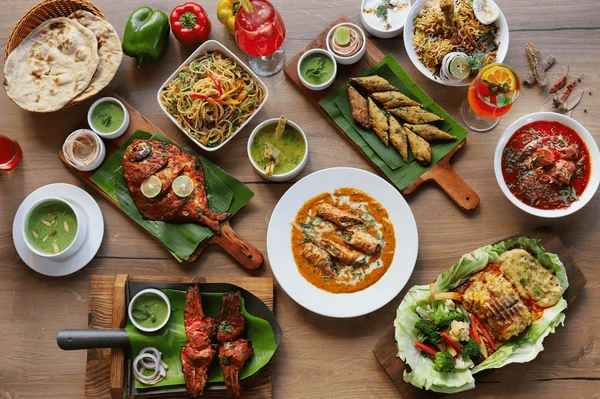
I still remember the first time I sat down at a hotel buffet in Lahore during a family wedding. One side of the spread gleamed with creamy pastas, grilled steaks, and golden pastries. The other side bubbled with steaming stir-fries, fragrant rice, and colorful curries. “Continental or Oriental?” the waiter asked. Most people around me shrugged, confused. That moment sparked my lifelong curiosity about these two global cuisines that feel worlds apart yet sit side by side on menus everywhere. Understanding the difference between continental and oriental food isn’t just about picking what to order—it’s about appreciating centuries of culture, climate, and technique packed into every bite.
If you’ve ever scrolled through restaurant menus wondering why one section feels rich and comforting while the other bursts with spice and freshness, you’re not alone. The distinction goes far deeper than geography. It shapes how we cook, eat, and even feel after a meal. This guide breaks it all down with clear comparisons, real examples, and practical tips so you can choose confidently—whether you’re planning a dinner party, exploring new recipes, or simply satisfying your curiosity.
What Is Continental Food?
Continental food refers to the classic cuisines of Europe, especially from countries like France, Italy, Spain, Germany, and Greece. It emphasizes refined techniques, seasonal ingredients, and a sense of elegance that has influenced fine dining worldwide. Think hearty yet balanced plates where every element is prepared with care and often presented in courses.
The European Roots of Continental Cuisine
Continental cuisine grew from the fertile lands and temperate climates of Europe. Ancient trade routes brought olive oil, wine, and herbs, while local farming supplied wheat, dairy, and meats. Over centuries, French and Italian chefs perfected slow-cooking methods that turned simple ingredients into luxurious experiences. This heritage explains why continental dishes feel timeless and comforting, much like a warm embrace on a chilly evening.
Key Ingredients That Define Continental Dishes
At its heart, continental food relies on fresh herbs such as rosemary, thyme, basil, and parsley rather than heavy spices. Olive oil, garlic, butter, cream, wine, and cheeses take center stage. Proteins often include beef, pork, poultry, and fish, paired with potatoes, bread, or pasta. Seasonal vegetables and fruits add balance without overpowering the dish.
Signature Cooking Techniques in Continental Food
Roasting, baking, grilling, and slow-simmering dominate continental kitchens. These methods coax deep flavors from ingredients, creating tender meats and crispy exteriors. A classic roast chicken might spend hours in the oven with herbs and wine, while pasta bakes under a blanket of cheese. The result? Rich, satisfying textures that reward patience.
Popular Continental Dishes You Should Try
From creamy Carbonara to juicy Beef Bourguignon, continental favorites shine in their simplicity and depth. Italian lasagna layers pasta with rich sauces and cheeses, while Spanish paella brings saffron-infused rice alive with seafood and chorizo. In Lahore or any big city, you’ll find these on upscale menus—perfect for a special night out.
What Is Oriental Food?
Oriental food draws from East and Southeast Asian traditions, including Chinese, Japanese, Korean, Thai, Vietnamese, and Malaysian cooking. It celebrates bold flavors, fresh ingredients, and quick, high-heat techniques that preserve natural textures and colors. Rice and noodles form the backbone, while vibrant vegetables and aromatic spices create meals that feel light yet intensely satisfying.
The Asian Origins and Diversity of Oriental Cuisine
The term “Oriental” points east—toward the bustling markets of China, the precise artistry of Japan, and the fragrant streets of Thailand. Ancient farming of rice and soy, combined with trade in spices and seafood, shaped these cuisines. Each country adds its twist: fiery chilies in Sichuan, delicate balance in Japanese sushi, or coconut richness in Thai curries. This diversity makes oriental food endlessly adaptable.
Essential Ingredients in Oriental Cooking
Oriental dishes spotlight rice, noodles, fresh vegetables, seafood, poultry, and tofu. Spices like turmeric, chilies, cumin, ginger, and cinnamon bring heat and depth, while soy sauce, fermented pastes, garlic, and sesame oil create umami magic. Dried fruits such as apricots or plums sometimes appear, adding sweet-tart notes that continental kitchens rarely use.
Core Cooking Methods That Set Oriental Food Apart
Stir-frying, quick boiling, steaming, and light frying keep ingredients crisp and nutritious. A hot wok transforms vegetables in minutes, locking in color and crunch. These fast techniques suit busy lives and highlight freshness—think sizzling beef with broccoli or steaming dumplings filled with aromatic fillings.
Iconic Oriental Dishes to Explore
Kung Pao chicken delivers crunchy peanuts and fiery sauce, while Japanese sushi offers pristine fish over vinegared rice. Thai basil chicken bursts with herbs, and Chinese chow mein tosses noodles with colorful veggies. In Pakistan or India, these appear as “oriental” specials on buffets, often adapted with local twists like extra spice.
Head-to-Head: Key Differences Between Continental and Oriental Food
The real magic emerges when you place them side by side. Continental food feels deliberate and layered; oriental food feels vibrant and immediate. Here’s a clear breakdown to help you see the contrasts at a glance.
| Aspect | Continental Food | Oriental Food |
|---|---|---|
| Region of Origin | Europe (France, Italy, Spain, etc.) | East & Southeast Asia (China, Japan, Thailand, etc.) |
| Flavor Profile | Subtle, herby, rich, creamy | Bold, spicy, umami, fresh |
| Spices vs Herbs | Minimal spices; generous fresh herbs | Generous spices; balanced with aromatics |
| Staples | Bread, pasta, potatoes, dairy, meats | Rice, noodles, vegetables, seafood, tofu |
| Cooking Techniques | Roasting, baking, grilling, slow-cooking | Stir-frying, boiling, steaming, quick-fry |
| Sauces | Used as condiments or sides | Integrated into the dish (curries/gravies) |
| Preparation Time | Longer, multi-step | Quick and efficient |
| Presentation | Plated elegantly, often in courses | Family-style or communal |
| Calorie Tendency | Higher (dairy, creams, meats) | Generally lighter (veggies, quick methods) |
This table captures the essence—continental comforts with depth, while oriental excites with brightness.
Ingredients and Staples: A Side-by-Side Look
Continental kitchens stock olive oil, wine, butter, and cheeses for luxurious sauces. Oriental pantries overflow with soy sauce, ginger, chilies, and rice varieties. Where continental might reach for cream to enrich a stew, oriental turns to fermented ingredients for complex layers without heaviness.
Cooking Techniques Compared
Slow roasting in continental cooking builds caramelized flavors over time. Oriental stir-frying preserves nutrients and delivers wok hei—the smoky breath of the wok. Both approaches deliver pleasure, but one rewards waiting while the other celebrates speed.
Flavor Profiles and Sensory Experience
Continental dishes often taste rounded and comforting, like a hug from childhood favorites. Oriental plates deliver contrasting sweet, sour, salty, and spicy notes in every bite, keeping your palate engaged and surprised. Have you noticed how a single oriental stir-fry can shift from mild to fiery in moments?
Sauces and Seasonings: How They Differ
In continental meals, sauces like béarnaise or gravy sit beside the main protein as accents. Oriental sauces—think glossy teriyaki or fiery Sichuan—coat ingredients and become the dish itself. This integration makes oriental food perfect for scooping over rice.
Health Aspects: Pros and Cons of Each Cuisine
Pros of Continental Food
- Rich in healthy fats from olive oil and nuts
- Offers satisfying, protein-heavy meals for energy
- Elegant portions encourage mindful eating
- Pairs beautifully with wine for social occasions
Cons of Continental Food
- Higher in calories and dairy, which may feel heavy
- Longer prep times can discourage home cooking
- Less vegetable-forward in traditional versions
Pros of Oriental Food
- Packed with fresh vegetables and lighter proteins
- Quick cooking retains more nutrients
- Bold flavors satisfy with smaller portions
- Fermented elements support gut health
Cons of Oriental Food
- Can be high in sodium from sauces
- Spicy versions may irritate sensitive stomachs
- Deep-frying in some dishes adds oil
Many nutritionists note that traditional oriental diets align with longevity patterns seen in Japan and parts of China, thanks to vegetable emphasis and balance. Continental options shine when featuring Mediterranean influences—think grilled fish and salads.
Cultural Significance and Modern Adaptations
Continental food carries the weight of European fine-dining history, often linked to celebrations and romance. Oriental food reflects communal Asian values—sharing plates fosters connection. Today, fusion spots in Lahore blend both: a continental steak topped with oriental chili sauce delights adventurous eaters.
Where to Experience Authentic Continental and Oriental Food
Look for reputable hotels or specialty restaurants in major cities. In Pakistan, try continental classics at fine-dining spots in Karachi or Islamabad, and oriental favorites at Chinese or Thai outlets in Lahore’s food streets. For home cooks, start with simple recipes—search for “authentic beef bourguignon” or “easy kung pao chicken” online.
People Also Ask About Continental vs Oriental Food
What exactly is continental food?
It’s European-style cooking focused on herbs, dairy, and slow-cooked meats and breads from countries like France and Italy.
Is oriental food the same as Chinese food?
Not entirely—oriental covers broader East and Southeast Asian styles, including Japanese, Thai, and Korean alongside Chinese.
Which cuisine is healthier—continental or oriental?
Oriental often edges out for its vegetable focus and lighter methods, but both can be healthy when prepared traditionally without excess oil or cream.
Can I mix continental and oriental dishes in one meal?
Absolutely. Many buffets and modern restaurants do exactly that, creating exciting flavor contrasts that please every palate.
How do I cook continental food at home without fancy equipment?
Start simple: roast chicken with herbs and olive oil in your oven, or simmer a pasta sauce on the stove. Patience is your best tool.
FAQ: Common Questions About Continental and Oriental Food
What is the main difference between continental and oriental food?
Geography and technique. Continental draws from Europe with herb-driven, baked or roasted dishes, while oriental comes from Asia with spice-forward, stir-fried or steamed preparations.
Are oriental dishes always spicy?
Not at all. Japanese and some Korean dishes stay mild and delicate, while Thai or Sichuan versions bring heat. You control the spice level at home.
Which one takes longer to prepare?
Continental meals usually require more time because of roasting and multi-course elements. Oriental dishes shine with quick wok action.
Can vegetarians enjoy both cuisines equally?
Yes. Continental offers cheese-based pastas and vegetable gratins; oriental provides stir-fried tofu, veggie noodles, and fresh salads.
Where can I find the best fusion of continental and oriental in Pakistan?
Lahore and Karachi host excellent hybrid restaurants. Ask for “continental with oriental twist” platters—they often deliver the best of both worlds.
Exploring the difference between continental and oriental food opens doors to richer meals and deeper cultural appreciation. Whether you crave the creamy comfort of a continental steak or the zesty crunch of an oriental stir-fry, both traditions deserve a spot on your table. Next time you face that buffet line, you’ll choose with confidence—and maybe even impress your friends with a fun fact or two. Grab your apron, experiment at home, and let these global flavors bring new joy to your kitchen. Your taste buds will thank you.