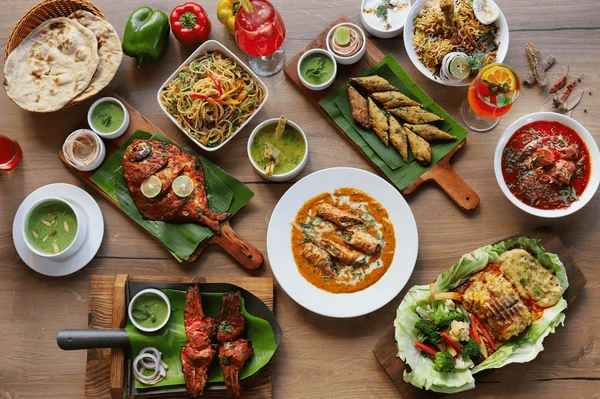
I still remember the first time I sat down at a bustling restaurant in Lahore and stared at a menu split between “Continental” and “Oriental” sections. The waiter smiled knowingly when I asked what the fuss was about. That single meal opened my eyes to two entirely different worlds of flavor, technique, and tradition. If you’ve ever felt confused ordering at a hotel buffet or wondered why one plate feels hearty and the other light and vibrant, you’re not alone. Let’s clear it up once and for all.
What Exactly Is Continental Food?
Continental food refers to the rich culinary traditions of Europe, especially France, Italy, Spain, and neighboring countries. It’s the kind of cooking that emphasizes slow preparation, layered flavors from herbs and dairy, and meals served in distinct courses. Think of it as the elegant, comforting side of Western dining that has traveled the globe through hotels and fine restaurants.
Origins and Regional Influences of Continental Cuisine
European history shaped every bite, from Roman banquets to French court recipes refined over centuries. Mediterranean sunshine brought olive oil and wine, while cooler northern climates favored hearty meats and root vegetables. Chefs across the continent borrowed and perfected techniques, creating a cuisine that feels both sophisticated and deeply satisfying.
Signature Ingredients That Define Continental Cooking
Olive oil, garlic, fresh herbs like rosemary and thyme, and cheeses form the backbone. Proteins lean toward beef, pork, poultry, and seafood, often paired with potatoes, bread, or pasta. Wine frequently stars in sauces or as a cooking liquid, adding depth without overpowering the natural taste of the ingredients.
Diving Into Oriental Food
Oriental food draws from the vibrant traditions of East and Southeast Asia, including China, Japan, Thailand, Korea, Vietnam, and Malaysia. It celebrates fresh, quick-cooked ingredients bursting with bold spices, umami, and balance. In many parts of the world, especially South Asia, “Oriental” on a menu simply signals this lively Asian style—rice- and noodle-heavy plates that feel fresh and exciting.
The Asian Heritage Behind Oriental Dishes
Centuries of trade routes and seasonal farming created a cuisine built on harmony: hot and cold, sweet and sour, crunchy and soft. Rice paddies, bustling street markets, and family recipes passed down through generations turned simple ingredients into flavor-packed masterpieces that travel beautifully across borders.
Core Components of Oriental Cooking
Rice and noodles serve as the everyday staples, while proteins include poultry, fish, seafood, and legumes. Fresh vegetables, ginger, garlic, chilies, soy sauce, and fermented elements like kimchi or pickled plums bring brightness. Dry fruits such as apricots and plums appear in many recipes, adding a subtle sweetness that surprises first-timers.
Head-to-Head: Key Differences Between Continental and Oriental Food
The real magic—and confusion—happens when you place the two side by side. One feels slow and indulgent; the other quick and lively. Understanding these contrasts helps you order confidently and cook with purpose.
Flavors and Seasonings – Spices Versus Herbs
Oriental dishes rely on generous spices—turmeric, cumin, chilies, cinnamon—for heat and complexity, while continental plates favor delicate herbs like basil, oregano, and parsley for aromatic subtlety. The result? Oriental food often delivers a spicy, layered kick; continental offers a refined, earthy warmth.
Cooking Techniques and Preparation Styles
Stir-frying and quick boiling keep Oriental ingredients crisp and colorful in minutes, preserving freshness. Continental methods—roasting, baking, and slow braising—develop deeper, caramelized flavors over longer times, turning tougher cuts into tender delights. One is fast and light; the other patient and rich.
Sauces: Integrated or On the Side?
In Oriental cooking, sauces become part of the dish—thin, hot curries that cling to rice or noodles. Continental sauces usually appear as cold condiments or separate accompaniments, letting the main protein or vegetable shine without drowning it. The difference changes how you eat every forkful.
Staples and Protein Sources
Rice, noodles, and plenty of vegetables dominate Oriental plates, with lighter proteins like fish and poultry. Continental meals center on bread, potatoes, pasta, and heavier meats such as beef or lamb. One feels plant-forward and balanced; the other protein-packed and satisfying.
Presentation and Meal Structure
Oriental servings often arrive family-style or in shared bowls, encouraging lively conversation. Continental dinners unfold in courses—appetizer, entrée, dessert—each plated elegantly for individual enjoyment. The vibe shifts from communal energy to refined pacing.
| Aspect | Continental Food | Oriental Food |
|---|---|---|
| Region | Europe (France, Italy, Spain) | East/Southeast Asia (China, Japan, Thailand) |
| Spices vs Herbs | Minimal spices, generous herbs | Generous spices, balanced flavors |
| Cooking Methods | Roasting, baking, slow braising | Stir-frying, quick boiling |
| Sauces | Condiments or side dishes | Integrated into the main dish |
| Staples | Bread, potatoes, pasta, meat | Rice, noodles, vegetables, seafood |
| Preparation Time | Longer, multi-course | Quick, fresh-focused |
| Calorie Profile | Richer, higher in dairy and fats | Lighter, vegetable-heavy |
Popular Dishes That Showcase Each Cuisine
Nothing beats tasting the difference. Here are standout examples that highlight what makes each style special.
Must-Try Continental Classics
Steak au poivre, lasagna layered with creamy béchamel, coq au vin simmered in red wine, and fish and chips with crispy batter never fail to impress. Don’t miss shepherd’s pie or a classic crème brûlée for dessert—these dishes deliver comfort with a touch of elegance.
Iconic Oriental Favorites
Peking duck with crispy skin, spicy schezwan chicken, sushi rolls bursting with fresh fish, pad Thai tangled with tamarind and peanuts, and Thai green curry fragrant with coconut milk transport you instantly. Dim sum baskets and ramen bowls offer endless variety in one meal.
Health and Nutritional Perspectives
Both cuisines can nourish you, yet they approach wellness differently. Continental plates often feel more indulgent, while Oriental ones emphasize balance and lightness—perfect when you crave something satisfying without heaviness.
Pros and Cons of Continental Food
Pros: Deep, comforting flavors; elegant presentation; pairs beautifully with wine; hearty enough for cold evenings.
Cons: Higher calories from creams and cheeses; longer prep time; can feel heavy if overdone.
Pros and Cons of Oriental Food
Pros: Fresh and colorful; quicker to prepare; vegetable-rich and lighter; exciting spice layers.
Cons: Can be very spicy for sensitive palates; relies on fermented items some find strong; sauces may overpower subtle ingredients.
Cultural Significance and Global Influence
Continental food tells stories of European refinement and seasonal celebration, while Oriental cuisine reflects Asia’s emphasis on harmony, family sharing, and respect for fresh produce. Both have shaped global dining—think fusion restaurants in every major city blending the best of each.
People Also Ask About Continental and Oriental Food
What is the main difference between continental and oriental food?
The biggest divide is geography and technique: continental draws from Europe with herbs, roasting, and rich sauces, while oriental celebrates Asian stir-fries, spices, and quick, fresh cooking.
Is oriental food the same as Asian food?
Yes, in restaurant menus “Oriental” usually points to East and Southeast Asian styles—Chinese, Japanese, Thai, Korean—though the term is sometimes seen as outdated in everyday language.
Which is healthier, continental or oriental?
Oriental often edges out for lightness and vegetable content, but both shine when prepared with quality ingredients and portion control.
Can I find both cuisines in one restaurant?
Absolutely—many hotels and fusion spots in cities like Lahore or Mumbai offer separate sections so you can mix and match without compromise.
How do I recreate these flavors at home?
Start simple: stock olive oil and herbs for continental, or soy sauce, ginger, and chilies for oriental. A good wok versus a cast-iron skillet makes all the difference.
FAQ: Your Burning Questions Answered
What does “continental” really mean on a menu?
It signals European-style dishes—pastas, steaks, baked goods—prepared with Western techniques rather than local or Asian flavors.
Why do oriental dishes use so many sauces?
Sauces double as flavor carriers and binders, turning rice or noodles into complete, balanced meals in every bite.
Are continental meals always multi-course?
Traditionally yes, but modern versions often simplify to a single hearty plate for everyday dining.
Do oriental recipes require special equipment?
A wok and high heat help, but a regular skillet works fine for most stir-fries once you master the timing.
Which cuisine travels better for home cooking?
Oriental wins for speed and pantry staples, while continental shines when you have time for slow cooking and fresh herbs.
Choosing Between Continental and Oriental – Which One for You?
Craving comfort on a rainy Lahore evening? Go continental with a creamy pasta or juicy steak. Want something bright, spicy, and shareable with friends? Oriental stir-fries or curries hit the spot. Many of us alternate depending on mood, season, or who’s at the table—both bring joy when cooked with care.
In the end, the difference between continental and oriental food isn’t about one being better; it’s about two beautiful traditions inviting you to explore. Next time you scan a menu, you’ll know exactly what each promises—and your taste buds will thank you. Whether you lean toward slow-roasted elegance or lightning-fast vibrancy, the world’s kitchens are richer for the contrast. Bon appétit… or should I say, いただきます?