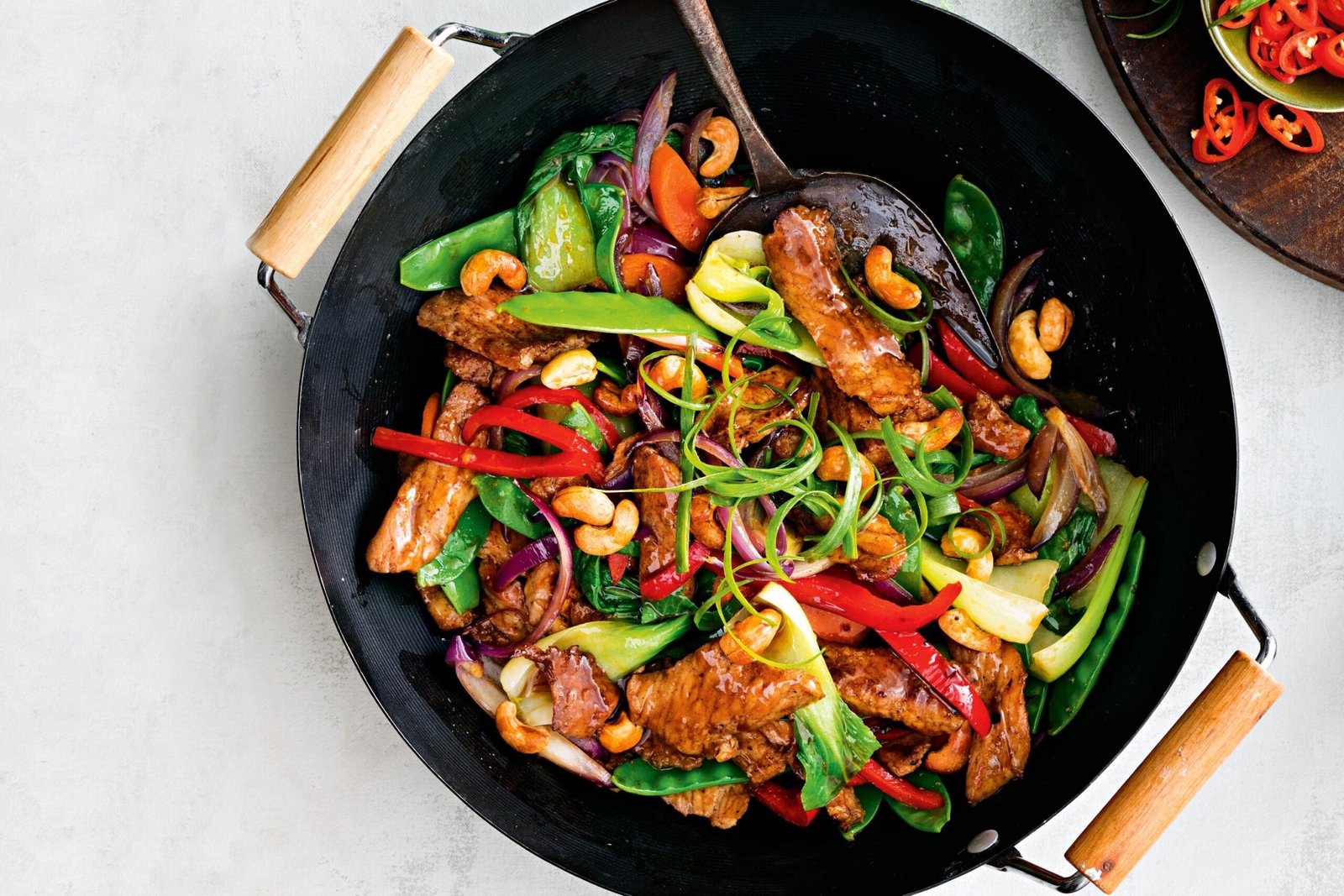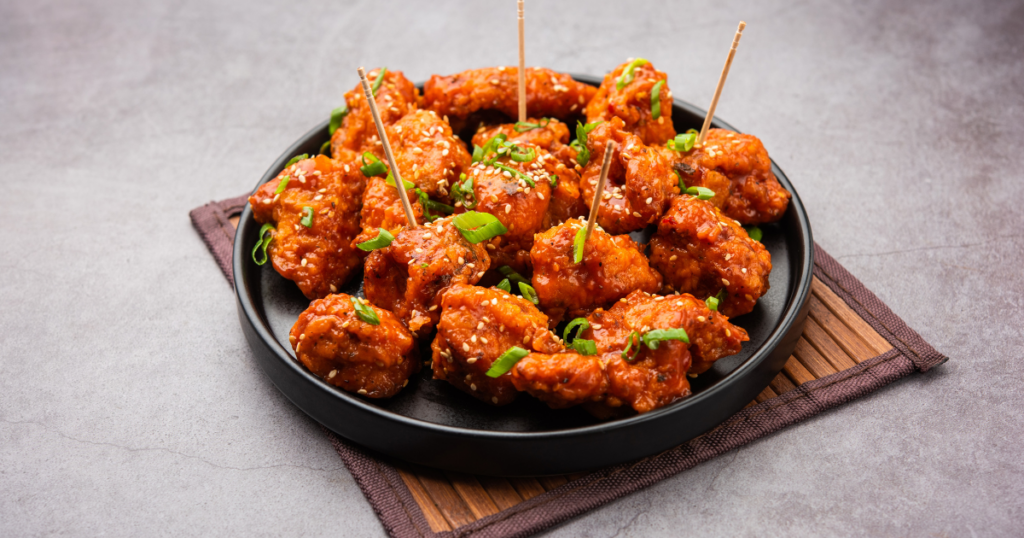
I still remember the first time a steaming basket of xiao long bao landed on my table in a tiny Shanghai eatery back in 2018. One careful bite and that hot, savory broth flooded my mouth—pure magic. That moment hooked me on Chinese food that goes beyond the usual takeout favorites. These aren’t your everyday stir-fries or fried rice. They’re the dishes with stories, surprising textures, and flavors that make you pause and think, “How on earth did someone invent this?”
China’s cuisine spans thousands of years and countless regions, so “special” can mean a lot of things: ancient preservation tricks, dramatic cooking rituals, or ingredients that feel like edible history. I’ve chased these across night markets in Taipei, family tables in Hangzhou, and even high-end spots in Beijing. Each one rewards the curious eater with something unforgettable. If you’re ready to move past General Tso’s chicken and dive deeper, these 15 Chinese dishes deliver exactly that kind of adventure—without needing a passport (though one helps).
Why These Dishes Feel a Little Bit Special
What sets these apart isn’t just rarity or expense. It’s the way they blend technique, legend, and pure sensory surprise. Some hide liquid gold inside a delicate wrapper. Others turn “stinky” into crave-worthy. A few come wrapped in clay or built from bird saliva. They’re the ones locals brag about to visitors, the plates that spark conversations, and the tastes that linger long after the meal ends. Ready to meet them? Let’s dig in.
The 15 Must-Try Special Chinese Dishes
1. Xiao Long Bao: Soup-Filled Wonders from Shanghai
These delicate steamed dumplings look innocent until you bite in and discover a pocket of rich, aromatic broth. Originating in Nanxiang near Shanghai around 1875, a clever chef mixed pork aspic into the filling so it melts into soup during steaming. The thin skin holds everything together until the perfect moment.
- Origin story: A restaurant owner wanted to stand out from regular buns and accidentally created a sensation.
- Why it’s special: The “soup” is the star—hot, savory, and impossible to replicate at home without skill.
- How to eat it: Nibble a tiny hole first, sip the broth, then devour the rest to avoid burns or spills.
- Pros: Elegant, shareable, feels luxurious.
- Cons: Easy to overcook at home; best fresh from a pro.
- Where to find: Din Tai Fung worldwide or authentic spots in Shanghai’s old town.
2. Stinky Tofu: The Aroma That Wins You Over
Don’t let the name—or the smell—scare you off. Fermented tofu gets deep-fried or stewed until crispy outside and creamy inside, often topped with chili sauce or pickled veggies. Street vendors across China (especially Taiwan) have perfected it for centuries through natural fermentation.
- Origin story: Ancient preservation method turned street-food legend.
- Why it’s special: That pungent whiff hides surprisingly addictive savory depth.
- How to eat it: Pair with sweet soy or hot sauce to balance the funk.
- Pros: Cheap, bold flavor, total conversation starter.
- Cons: First whiff can be intense for newcomers.
- Where to find: Night markets in Taipei or Chengdu stalls.
3. Century Eggs: Preserved Perfection with a Twist
Also called thousand-year eggs, these duck eggs cure in a clay-lime-ash mix for weeks or months. The white turns dark amber jelly and the yolk becomes creamy and earthy. It’s an ancient technique that feels like eating edible archaeology.
- Origin story: Accidental discovery during the Ming Dynasty that became a delicacy.
- Why it’s special: Dramatic look and unique umami that pairs perfectly with ginger or congee.
- How to eat it: Slice thin and serve cold—never cook it further.
- Pros: Long shelf life, high in protein, impressive on a platter.
- Cons: Texture takes getting used to if you’re new to preserved foods.
- Where to find: Any decent Chinese grocery or dim sum restaurants.
4. Beggar’s Chicken: Clay-Baked Drama from the Countryside
A whole chicken gets stuffed with aromatics, wrapped in lotus leaves, encased in clay, and slow-baked until the shell cracks open to reveal juicy, fragrant meat. Legend says a beggar invented it by burying a stolen bird in river mud.
- Origin story: Qing Dynasty tale from near Shanghai that reached the imperial court.
- Why it’s special: The clay seals in every drop of flavor—no sauce needed.
- How to eat it: Crack the shell tableside for maximum wow factor.
- Pros: Theatrical presentation, melt-in-mouth tenderness.
- Cons: Requires advance ordering at most restaurants.
- Where to find: Traditional spots in Changshu or high-end Shanghai eateries.
5. Bird’s Nest Soup: The Luxurious Elixir
Made from the saliva nests of swiftlet birds, this clear soup (often sweetened or savory) has been a prized delicacy for centuries. It’s labor-intensive to harvest and prized for supposed health benefits like skin glow and vitality.
- Origin story: Documented since the Tang Dynasty as imperial tribute.
- Why it’s special: Silky texture and subtle oceanic sweetness—no other dish feels quite so refined.
- How to eat it: Sip slowly; it’s more about the experience than bold flavor.
- Pros: Status symbol, light yet nourishing.
- Cons: Pricey and ethically sourced versions matter most.
- Where to find: Premium Hong Kong or Singapore restaurants.
6. Mapo Tofu: Numbing Heat from Sichuan
Silky tofu swims in a fiery bean-paste sauce with minced meat and Sichuan peppercorns that deliver that signature “mala” buzz. A pockmarked chef’s wife in 1860s Chengdu created it for laborers.
- Origin story: Named after “Chen Mapo” herself.
- Why it’s special: The tingly numbness pairs with deep heat in a way no other cuisine matches.
- How to eat it: Over rice to soak up every drop of sauce.
- Pros: Vegetarian-friendly version exists, addictive spice.
- Cons: Can overwhelm if you’re spice-shy.
- Where to find: Authentic Sichuan spots anywhere.
7. Biang Biang Noodles: Wide, Chewy, and Loud
These thick, hand-ripped wheat noodles from Shaanxi come drenched in chili oil, vinegar, and greens. The Chinese character for “biang” has 58 strokes—legend says it mimics the sound of the dough slapping the counter.
- Origin story: Ancient Shaanxi street food with folklore ties.
- Why it’s special: Dramatic width and chew plus the theatrical pulling process.
- How to eat it: Slurp loudly—that’s the fun part.
- Pros: Cheap, filling, customizable heat.
- Cons: Hard to find outside northwest China or specialist spots.
- Where to find: Xi’an Famous Foods chains or Xi’an markets.
8. Lanzhou Lamian: Hand-Pulled Beef Noodle Mastery
Clear broth, tender beef, and noodles stretched to order right before your eyes in Lanzhou’s Muslim quarter. The pulling ritual turns lunch into performance art.
- Origin story: Centuries-old Hui Muslim tradition in Gansu province.
- Why it’s special: Freshness and the show of stretching dough from one thick rope into hair-thin strands.
- How to eat it: Add your own chili oil at the table.
- Pros: Light yet satisfying, endlessly customizable.
- Cons: Best eaten fresh—takeout loses the magic.
- Where to find: Lanzhou streets or quality diaspora shops.
9. Chicken Feet (Phoenix Claws): Collagen-Rich Delight
Steamed, braised, or deep-fried feet become tender, skin-on bites loaded with collagen. Dim sum carts everywhere serve them in black bean or chili sauce.
- Origin story: Cantonese tradition that celebrates every part of the bird.
- Why it’s special: Chewy, saucy texture that’s pure comfort for locals.
- How to eat it: Suck the bones clean—chopsticks help.
- Pros: Skin-health bonus, budget-friendly.
- Cons: Visual hurdle for first-timers.
- Where to find: Any bustling dim sum hall.
10. Dongpo Pork: Hangzhou’s Slow-Braised Treasure
Named after poet Su Dongpo, this pork belly simmers for hours in soy, sugar, and aromatics until it melts like butter. Sweet, savory, and impossibly tender.
- Origin story: 11th-century poet accidentally perfected it while distracted.
- Why it’s special: Balance of fat and lean that defines Jiangnan elegance.
- How to eat it: Over rice to catch the glossy sauce.
- Pros: Make-ahead friendly, crowd-pleasing.
- Cons: Rich—small portions hit the spot.
- Where to find: Hangzhou classics or careful home cooks.
11. Hairy Crab: Seasonal Shanghai Luxury
These freshwater crabs from Yangcheng Lake arrive in autumn with hairy shells and orange roe. Steamed simply with ginger and vinegar, the sweet meat shines.
- Origin story: Centuries of lake-specific breeding.
- Why it’s special: Short season creates frenzy; roe is pure gold.
- How to eat it: Crack shells tableside with tools.
- Pros: Light sweetness, festive vibe.
- Cons: Expensive and seasonal only.
- Where to find: Shanghai lakeside restaurants in fall.
12. Buddha Jumps Over the Wall: Fujian’s Epic Soup
This lavish broth simmers abalone, sea cucumber, shark fin (or ethical substitutes), chicken, and more for days. Legend says the aroma made a monk leap a wall.
- Origin story: Qing Dynasty imperial favorite.
- Why it’s special: Dozens of ingredients create layered umami.
- How to eat it: Served in tiny bowls—savor slowly.
- Pros: Ultimate luxury experience.
- Cons: Time-consuming and costly to prepare.
- Where to find: Fine-dining Fujian or Hong Kong spots.
13. Jellyfish Salad: Crunchy Cold Appetizer
Thin, translucent jellyfish strips get tossed cold with sesame oil, scallions, and soy. The texture is like biting crisp noodles from the sea.
- Origin story: Coastal tradition for centuries.
- Why it’s special: Unusual crunch with almost no calories.
- How to eat it: Refreshing starter before heavier dishes.
- Pros: Light, hydrating, unique mouthfeel.
- Cons: Needs proper prep to avoid rubberiness.
- Where to find: Coastal Chinese restaurants.
14. Sea Cucumber: Gelatinous Health Tonic
Braised or stir-fried, this marine creature turns soft and chewy with deep oceanic flavor. Traditional Chinese medicine values it highly.
- Origin story: Long history as “sea ginseng.”
- Why it’s special: Luxurious texture and supposed restorative powers.
- How to eat it: In soups or alongside other delicacies.
- Pros: Nutrient-dense, impressive on banquets.
- Cons: Pricey and polarizing texture.
- Where to find: Cantonese or upscale banquets.
15. Roujiamo: Xi’an’s Ancient “Chinese Hamburger”
Stewed pork or lamb gets tucked into a crispy flatbread “mo.” It’s been street food since the Qin Dynasty—simple, portable, and ridiculously satisfying.
- Origin story: Over 2,000 years old in northwest China.
- Why it’s special: Portable flavor bomb that predates Western burgers.
- How to eat it: Messy is mandatory—embrace the juices.
- Pros: Affordable, filling, endlessly craveable.
- Cons: Greasy if not done right.
- Where to find: Xi’an street vendors or modern chains.
Comparison of These Special Chinese Dishes
| Dish | Region | Key Feature | Spice Level | Approx. Price (per serving) | Best For |
|---|---|---|---|---|---|
| Xiao Long Bao | Shanghai | Hidden broth | None | $8–12 | Beginners |
| Stinky Tofu | Nationwide | Fermented aroma | Medium | $2–4 | Street adventurers |
| Century Eggs | Nationwide | Preserved look & taste | None | $3–5 | Home cooks |
| Beggar’s Chicken | Shanghai | Clay-baked spectacle | None | $25–40 | Groups |
| Bird’s Nest Soup | Coastal | Luxurious delicacy | None | $50+ | Special occasions |
| Mapo Tofu | Sichuan | Mala numbness | High | $10–15 | Spice lovers |
| Biang Biang | Shaanxi | Dramatic noodles | High | $6–10 | Carb fans |
| Lanzhou Lamian | Gansu | Live pulling show | Medium | $5–8 | Lunch |
| Chicken Feet | Cantonese | Collagen chew | Varies | $4–7 | Dim sum |
| Dongpo Pork | Hangzhou | Melt-in-mouth belly | None | $15–20 | Comfort |
| Hairy Crab | Shanghai | Seasonal roe | None | $30+ | Autumn feasts |
| Buddha Jumps… | Fujian | Multi-ingredient soup | None | $40+ | Luxury |
| Jellyfish Salad | Coastal | Crunchy sea texture | None | $8–12 | Starters |
| Sea Cucumber | Nationwide | Gelatinous tonic | None | $20–30 | Health focus |
| Roujiamo | Xi’an | Portable street bun | Medium | $2–4 | On-the-go |
People Also Ask About These Special Chinese Dishes
What makes certain Chinese dishes feel “special” or exotic?
It’s usually the combination of ancient techniques, regional legends, and surprising textures or flavors that everyday Western Chinese food skips. These dishes tell stories—whether through a beggar’s invention or a monk jumping a wall.
Is stinky tofu really safe and worth trying?
Absolutely safe when fresh from reputable vendors. The fermentation is controlled, and once you push past the smell, the taste is savory and addictive. Start mild to ease in.
Where can I find authentic versions outside China?
Look for regional specialists: Din Tai Fung for xiao long bao, Xi’an Famous Foods for biang biang, or Hong Kong-style spots for bird’s nest. Ask for the real deal—many places adapt for local palates.
Are these dishes expensive or hard to make at home?
Most street versions like roujiamo or stinky tofu stay cheap. Luxury ones like bird’s nest or Buddha Jumps Over the Wall cost more because of ingredients and time. Home versions of mapo tofu or dongpo pork are surprisingly doable with good recipes.
Which special Chinese dish is best for beginners?
Xiao long bao or roujiamo win for approachable flavors and fun factor. They feel familiar yet deliver that “wow” without extreme textures.
FAQ: Your Burning Questions Answered
1. Can vegetarians enjoy any of these special Chinese dishes?
Yes! Mapo tofu, stinky tofu, and jellyfish salad have solid meat-free versions. Skip the meat fillings in xiao long bao or roujiamo and go veggie. Many restaurants accommodate easily.
2. How spicy are these dishes on average?
Only a handful (mapo tofu, biang biang) pack serious heat. Most stay mild or let you control the spice. Ask for “mild” or “no chili” when ordering.
3. Do I need special tools or skills to try them at home?
Not really. A good steamer helps for dumplings, but most shine when eaten out. Start with store-bought century eggs or frozen xiao long bao to test the waters.
4. Are there health benefits to these special dishes?
Many deliver collagen (chicken feet, sea cucumber), probiotics (fermented tofu), or traditional tonics (bird’s nest). They’re part of balanced Chinese eating philosophy.
5. What if I’m nervous about textures or smells?
Start small. Order one adventurous dish alongside familiar favorites. Most people who try stinky tofu or century eggs end up pleasantly surprised.
These 15 Chinese dishes prove that “a little bit special” can mean a lifetime of memorable bites. Whether you chase them on your next trip to China or hunt them down locally, each one opens a new window into the country’s rich food culture. Grab chopsticks, bring an open mind, and let the flavors tell their stories. Your taste buds will thank you—and you’ll have plenty of great dinner-party tales to share. What’s the first one you’re trying?