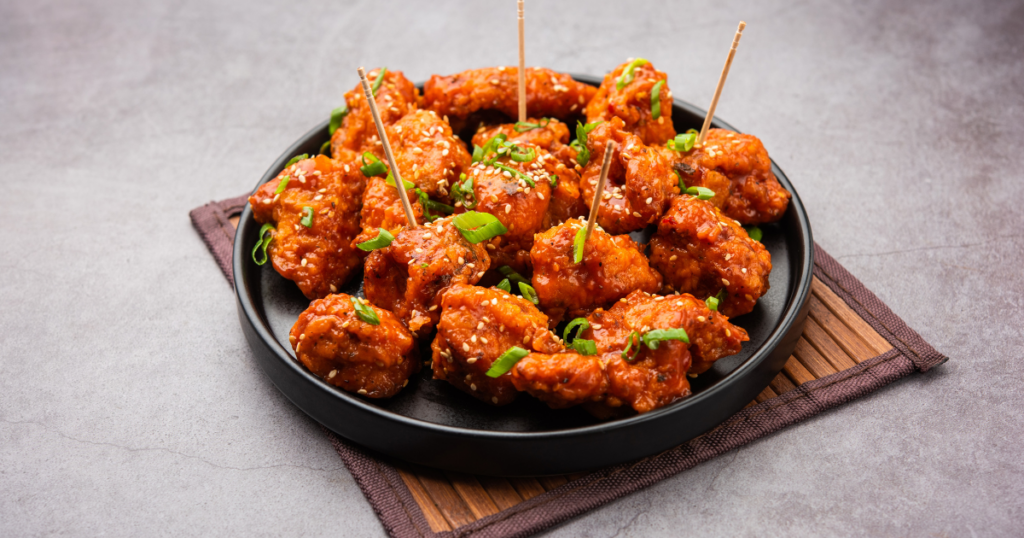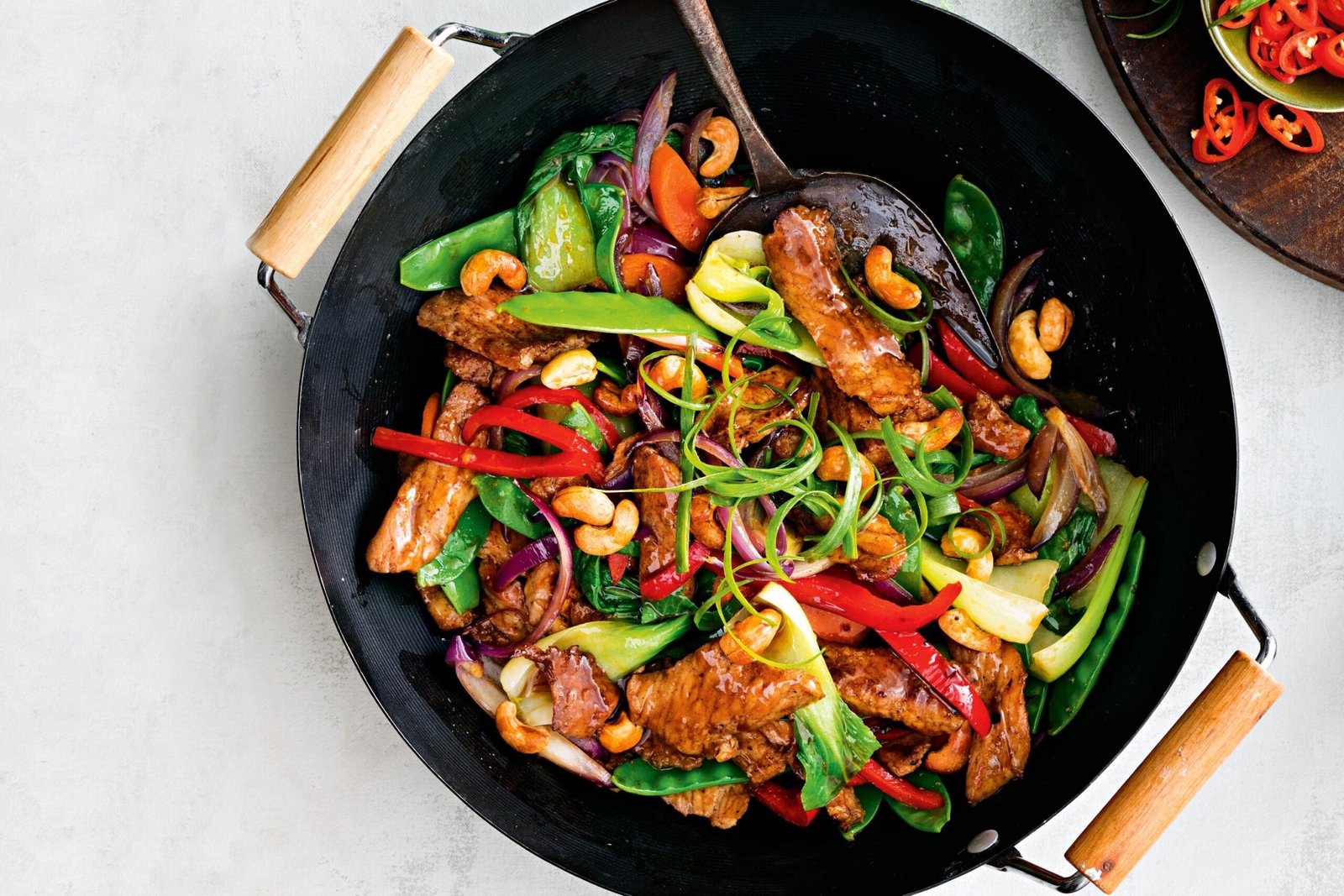
Indian Chinese cuisine, often called Indo-Chinese, is that magical fusion where bold Indian spices meet quick Chinese stir-fry techniques. I still remember my first bite of sizzling Gobi Manchurian at a tiny street stall in Delhi during a rainy evening—it was crispy, tangy, and spicy enough to wake up every taste bud. This isn’t authentic Chinese food from Beijing; it’s India’s own delicious twist, born from Hakka immigrants in Kolkata who adapted soy sauce, vinegar, and garlic to local palates with extra chillies and ginger.
What Makes Indo-Chinese Cuisine So Addictive and Unique?
Indo-Chinese food blends Chinese wok cooking with Indian love for heat and tang, creating dishes that feel familiar yet exciting. The secret lies in the sauce: soy, vinegar, ketchup, and heaps of garlic-ginger-chilli paste that Indians crave. It started in Kolkata’s Chinatown over 200 years ago and spread nationwide, becoming street food royalty and restaurant favorites alike.
Why Every Food Lover Should Explore These 7 Dishes
These seven dishes capture the heart of Indo-Chinese magic—crispy textures, fiery flavors, and perfect pairings for rice or noodles. Whether you’re vegetarian or craving protein, they deliver comfort with a kick. I’ve ordered them from Mumbai dhabas to upscale spots in Bangalore, and each one tells a story of cultural fusion that keeps me coming back.
1. Gobi Manchurian – The Crispy Cauliflower Sensation
Gobi Manchurian tops every list for good reason: golden-fried cauliflower florets tossed in a glossy, spicy-sweet sauce that clings perfectly to each bite.
The Origins of Gobi Manchurian in Indian Kitchens
This vegetarian hero evolved from early Chinese settlers experimenting with local veggies in Kolkata and Mumbai, turning humble cauliflower into a party starter that rivals any non-veg dish.
How to Make Restaurant-Style Gobi Manchurian at Home
Batter the florets with cornflour and maida, deep-fry till crisp, then stir-fry with onions, capsicum, garlic, ginger, soy, vinegar, and chilli sauce—keep the flame high for that signature sizzle.
Dry vs Gravy Versions: Which One Wins?
Dry Gobi Manchurian shines as a crunchy snack, while gravy version soaks up with rice or noodles for a hearty meal; I prefer dry for movie nights but gravy when it’s pouring outside.
Pairing Tips and Variations for Gobi Manchurian
Serve it with Hakka noodles or Schezwan fried rice, or try paneer or mushroom swaps for fun twists—add honey for a sweet edge that balances the heat beautifully.
Why Vegetarians and Spice Lovers Can’t Resist It
It’s 100% veg yet packs restaurant-level punch; the contrast of crisp outside and tender inside makes it addictive, and light humor in every fiery bite keeps conversations flowing at dinner tables.
Pros and Cons of Ordering Gobi Manchurian
- Pros: Vegetarian-friendly, crowd-pleaser, easy to customize spice level.
- Cons: Can get soggy if not eaten hot; frying adds calories.
Gobi Manchurian Comparison Table
| Aspect | Dry Version | Gravy Version |
|---|---|---|
| Texture | Crispy | Saucy and tender |
| Best Paired With | Noodles or as starter | Fried rice or roti |
| Spice Level | High | Medium to high |
2. Chilli Chicken – The Spicy Crowd Favorite
Chilli chicken delivers juicy, fried chicken pieces in a fiery, garlicky sauce that’s pure Indo-Chinese comfort on a plate.
History of Chilli Chicken and Its Indian Roots
Invented in Indian Chinese kitchens to suit local tastes for heat, it became a staple after Chinese immigrants tweaked marinades with Indian spices in the 1970s.
Step-by-Step Restaurant Secrets for Chilli Chicken
Marinate boneless chicken with cornflour, egg, and spices; fry crisp, then toss with green chillies, onions, capsicum, soy, vinegar, and tomato ketchup for that glossy finish.
Dry or Gravy Chilli Chicken: Making the Right Choice
Dry is perfect for starters with drinks, while gravy turns it into a main course—both pack punch, but dry stays crunchier longer.
Creative Variations and Fusion Twists
Try honey chilli chicken for sweetness or paneer swap for veg version; I once added schezwan sauce at home and it elevated my weeknight dinner.
Where to Find the Best Chilli Chicken in India
Head to Tangra in Kolkata or Mumbai’s street stalls—authentic spots use fresh ingredients that beat delivery any day.
Pros and Cons List for Chilli Chicken
- Pros: Protein-packed, versatile, pairs with everything.
- Cons: High oil content; not ideal for strict diets.
3. Hakka Noodles – The Stir-Fried Noodle Classic
Hakka noodles bring chewy noodles stir-fried with colorful veggies and sauces, creating a quick, satisfying meal that feels homemade yet exotic.
Evolution of Hakka Noodles in Indo-Chinese Menus
Hakka immigrants introduced these noodles, which Indians pan-fried spicier with local veggies for everyday appeal across homes and restaurants.
Quick Recipe Hacks for Perfect Hakka Noodles
Boil noodles al dente, drain, then toss in hot wok with julienned carrots, cabbage, beans, soy, chilli sauce, and vinegar—finish with spring onions for freshness.
Veg vs Non-Veg Hakka Noodles Options
Vegetable version keeps it light and colorful; add chicken or prawns for protein boost—both work great as standalone or side.
Best Pairings and Meal Ideas with Hakka Noodles
Combine with chilli chicken or manchurian gravy for complete thali; it absorbs sauces beautifully without getting mushy.
Common Mistakes to Avoid When Cooking Hakka Noodles
Overboiling ruins texture—rinse in cold water after cooking and use high heat to prevent sticking.
Pros and Cons of Hakka Noodles
- Pros: Quick to make, customizable, family favorite.
- Cons: Can dry out if not saucy enough.
4. Schezwan Fried Rice – The Fiery Rice Delight
Schezwan fried rice turns leftover rice into a spicy, aromatic masterpiece loaded with veggies or protein and signature Schezwan sauce heat.
What Sets Schezwan Fried Rice Apart from Regular Fried Rice
The homemade Schezwan sauce—red chillies, garlic, and vinegar—gives it that unique Indo-Chinese kick missing in plain versions.
Easy One-Pot Method for Schezwan Fried Rice
Stir-fry garlic, onions, and veggies in oil, add cooked rice and Schezwan paste, toss with soy and spring onions—ready in under 15 minutes.
Vegetarian and Non-Veg Versions Compared
Veg keeps it wholesome with peas and carrots; chicken or egg adds richness—both deliver bold flavor without much effort.
Serving Suggestions and Leftover Magic
Pair with manchurian or enjoy solo; it reheats well for next-day lunches, saving time and money.
Spice Level Tips for Schezwan Fried Rice Beginners
Start mild and build up—add extra chillies only if you love the burn like true food lovers do.
Pros and Cons Table Snippet for Schezwan Fried Rice
- Pros: Uses leftovers, one-pan easy, highly flavorful.
- Cons: Sauce can overpower if not balanced.
5. Chilli Paneer – The Vegetarian Protein Powerhouse
Chilli paneer offers soft, fried paneer cubes in a tangy, spicy gravy or dry style that satisfies even hardcore meat eaters.
Why Chilli Paneer Became a Vegetarian Staple
It mirrors chilli chicken but swaps protein for paneer, making it a hit in veg-heavy Indian households since the fusion boom.
Mastering the Batter and Sauce for Chilli Paneer
Cube paneer, coat lightly, fry golden, then sauté with bell peppers, onions, and signature Indo-Chinese sauce blend.
Dry vs Gravy Chilli Paneer Showdown
Dry shines as appetizer; gravy makes it a main—both highlight paneer’s ability to soak flavors perfectly.
Home Chef Tips for Restaurant-Quality Chilli Paneer
Use fresh paneer and don’t overfry; a dash of honey adds subtle sweetness that balances heat beautifully.
Pairing Chilli Paneer with Other Indo-Chinese Favorites
It complements Hakka noodles or fried rice for balanced plates that feel complete and indulgent.
Pros and Cons of Chilli Paneer
- Pros: High protein, veg-friendly, quick cook.
- Cons: Paneer can turn rubbery if reheated poorly.
6. Spring Rolls – The Crunchy Appetizer Essential
Spring rolls deliver crispy wrappers stuffed with savory fillings, served hot with dipping sauces that elevate any gathering.
Indian Twist on Traditional Spring Rolls
Indian versions stuff more veggies and spices than subtle Chinese originals, turning them into addictive party snacks.
Filling and Wrapping Secrets for Perfect Spring Rolls
Mix cabbage, carrots, beans with light seasoning; roll tightly in sheets and fry till golden—seal edges well to prevent leaks.
Veg vs Chicken Spring Rolls: Flavor Breakdown
Veg keeps it light and colorful; chicken adds heartiness—both crunch delightfully with sweet-chilli dip.
Baking or Air-Frying for Healthier Versions
Skip deep-frying with air fryer for crispy results using minimal oil—great for guilt-free cravings.
Occasion Ideas Featuring Spring Rolls
Serve as starters at birthdays or movie nights; they disappear fast and pair with soups for full meals.
Pros and Cons List
- Pros: Crowd-pleaser, make-ahead friendly.
- Cons: Frying process is messy.
7. Manchow Soup – The Warming, Spicy Broth
Manchow soup is a thick, hearty bowl loaded with veggies or chicken, topped with fried noodles for that signature crunch.
The Comforting Role of Manchow Soup in Indo-Chinese Meals
It warms cold evenings and starts meals perfectly, evolving from simple Chinese broths with Indian garlic and chilli boosts.
Building Layers of Flavor in Manchow Soup
Sauté garlic, ginger, veggies, add stock thickened with cornflour, finish with soy, vinegar, and crispy noodles on top.
Vegetarian and Non-Veg Manchow Soup Differences
Veg version uses mushrooms and corn; chicken adds depth—both deliver umami in every spoonful.
Serving and Garnish Ideas for Manchow Soup
Top with fried noodles and spring onions; pair with spring rolls for light yet satisfying starters.
Health Benefits and Light Twists
Packed with veggies for nutrition; reduce cornflour for lighter broth without losing comfort.
Pros and Cons of Manchow Soup
- Pros: Warming, filling, customizable.
- Cons: Can be heavy if over-thickened.
Comparison of the 7 Must-Try Dishes
| Dish | Veg/Non-Veg | Spice Level | Best As | Pairing Suggestion |
|---|---|---|---|---|
| Gobi Manchurian | Veg | High | Starter | Noodles |
| Chilli Chicken | Non-Veg | High | Starter/Main | Fried Rice |
| Hakka Noodles | Both | Medium | Main | Manchurian |
| Schezwan Fried Rice | Both | High | Main | Any gravy dish |
| Chilli Paneer | Veg | High | Main | Noodles |
| Spring Rolls | Both | Medium | Starter | Soup |
| Manchow Soup | Both | Medium-High | Starter | Rolls or rice |
People Also Ask About Indian Chinese Cuisine
What is the difference between Indian Chinese and authentic Chinese food?
Indian Chinese amps up spices, garlic, and chillies while using Indian pantry staples like ketchup for tang—authentic Chinese stays subtler with regional ingredients.
Is Indo-Chinese food very spicy?
Yes, most dishes pack heat from green chillies and Schezwan sauce, but you can always request milder versions at restaurants.
Where did Indo-Chinese cuisine originate in India?
It began in Kolkata’s Chinatown with Hakka settlers adapting recipes over centuries, later spreading to Mumbai and beyond.
Can I make these dishes vegetarian easily?
Absolutely—swap chicken for paneer, cauliflower, or mushrooms in most recipes without losing flavor.
How popular is Indo-Chinese food globally now?
It’s gaining fans worldwide in Indian restaurants abroad, proving the fusion’s universal appeal.
FAQ: Your Burning Questions Answered
What are the must-have ingredients for Indo-Chinese cooking at home?
Soy sauce, vinegar, cornflour, garlic, ginger, green chillies, and ketchup form the base—stock up and you’re set for restaurant results.
Are these dishes healthy or indulgent?
They lean indulgent due to frying, but air-frying and more veggies make lighter versions possible without sacrificing taste.
Where can I find the best Indo-Chinese outside major cities?
Small-town dhabas and cloud kitchens often nail the street-style flavors better than fancy chains.
How long do leftovers last?
Store in fridge for 1-2 days; reheat on stove to restore crispness—never microwave for best texture.
Why pair these with Indian drinks like lassi?
The cool, creamy contrast balances the spice perfectly, creating that ultimate desi fusion experience.
This journey through seven must-try Indo-Chinese dishes proves why the cuisine has captured hearts across India and beyond. From my first street-side bites to home experiments that impressed friends, each one delivers joy, flavor, and stories worth sharing. Grab your wok, gather ingredients, and dive in—you’ll wonder why you waited so long. These dishes aren’t just food; they’re edible bridges between cultures that keep Indian food lovers smiling.