If you’ve ever sat down at a Chinese restaurant and felt overwhelmed by the menu, you’re not alone. Chinese cuisine spans eight major regional styles, from the delicate flavors of the south to the bold, fiery kicks of Sichuan. But some dishes rise above the rest—they’re not just food; they’re cultural ambassadors that tell stories of emperors, street vendors, and family gatherings. These four popular Chinese dishes stand out for their balance of history, flavor, and sheer joy. I’ve chased them across Beijing’s hutongs, Chengdu’s spice markets, and even my own kitchen experiments back home. Whether you’re a first-timer or a repeat lover of Asian flavors, these will hook you. Let’s dive in and explore why they deserve a spot on your must-try list.
Why These Four Dishes Capture the Essence of Chinese Cuisine
Chinese food isn’t about one taste—it’s a symphony of textures, aromas, and shared moments. I picked these four because they represent the diversity that makes the cuisine legendary: one royal showstopper, two fiery Sichuan classics, and one interactive feast. They’re accessible yet authentic, loved by locals and tourists alike, and easy to find or recreate. Plus, they deliver that “wow” factor every time. Stick with me, and by the end, you’ll know exactly what to order next time that takeout menu appears.
1. Peking Roasted Duck: Beijing’s Timeless Delicacy
Peking duck isn’t just dinner—it’s a theatrical experience that’s been wowing diners for centuries. The first time I tried it in a tiny Beijing alley restaurant, the waiter carved it tableside with surgical precision, and the crispy skin crackled like fireworks. It’s the dish that turns a simple meal into a celebration, blending imperial elegance with everyday delight. If you’re new to authentic Chinese fare, start here; it’s approachable yet unforgettable.
The Imperial Origins of Peking Duck
This dish traces back to the Yuan Dynasty in the 13th century, when it graced royal tables in Beijing (then Dadu). By the Ming era, it had become a staple for emperors, and today it’s a national symbol—Premier Zhou Enlai even used it to charm foreign dignitaries in the 1970s. What started as a palace treat evolved into a Beijing specialty, with restaurants like Quanjude perfecting the technique over 150 years. Its enduring appeal lies in that perfect contrast: paper-thin, lacquered skin versus juicy meat.
Ingredients and the Art of Perfect Roasting
Authentic Peking duck uses a whole force-fed duck, inflated with air, coated in maltose syrup, and hung to dry before roasting in a wood-fired oven. The key? That shiny, crispy skin from the drying process and hot air circulation—no basting needed. Inside, the meat stays tender, often served with hoisin sauce, scallions, and thin pancakes. Skip the Americanized versions; the real deal shines with minimal extras.
Step-by-Step: How to Eat Peking Duck Like a Pro
Eating it wrong is a rookie mistake I made once—sauce everywhere! Here’s the local way:
- Spread a thin pancake on your plate.
- Add a swipe of sweet bean sauce.
- Layer crisp duck skin and tender slices.
- Top with julienned cucumber and scallions for crunch.
- Roll it up like a burrito and devour in one bite.
Pro tip: Save the carcass for soup the next day—it’s a Beijing tradition that stretches one duck into multiple meals.
Pros and Cons of This Iconic Dish
Pros: Unbeatable crispy-tender contrast, visually stunning presentation, pairs beautifully with light beer or tea.
Cons: Can be pricey at top spots (expect $50+ per duck), requires a skilled restaurant for the best results, and it’s rich—pace yourself!
Home hack: Oven-roast a smaller duck with maltose for a solid approximation.
2. Kung Pao Chicken: Sichuan’s Spicy Stir-Fry Star
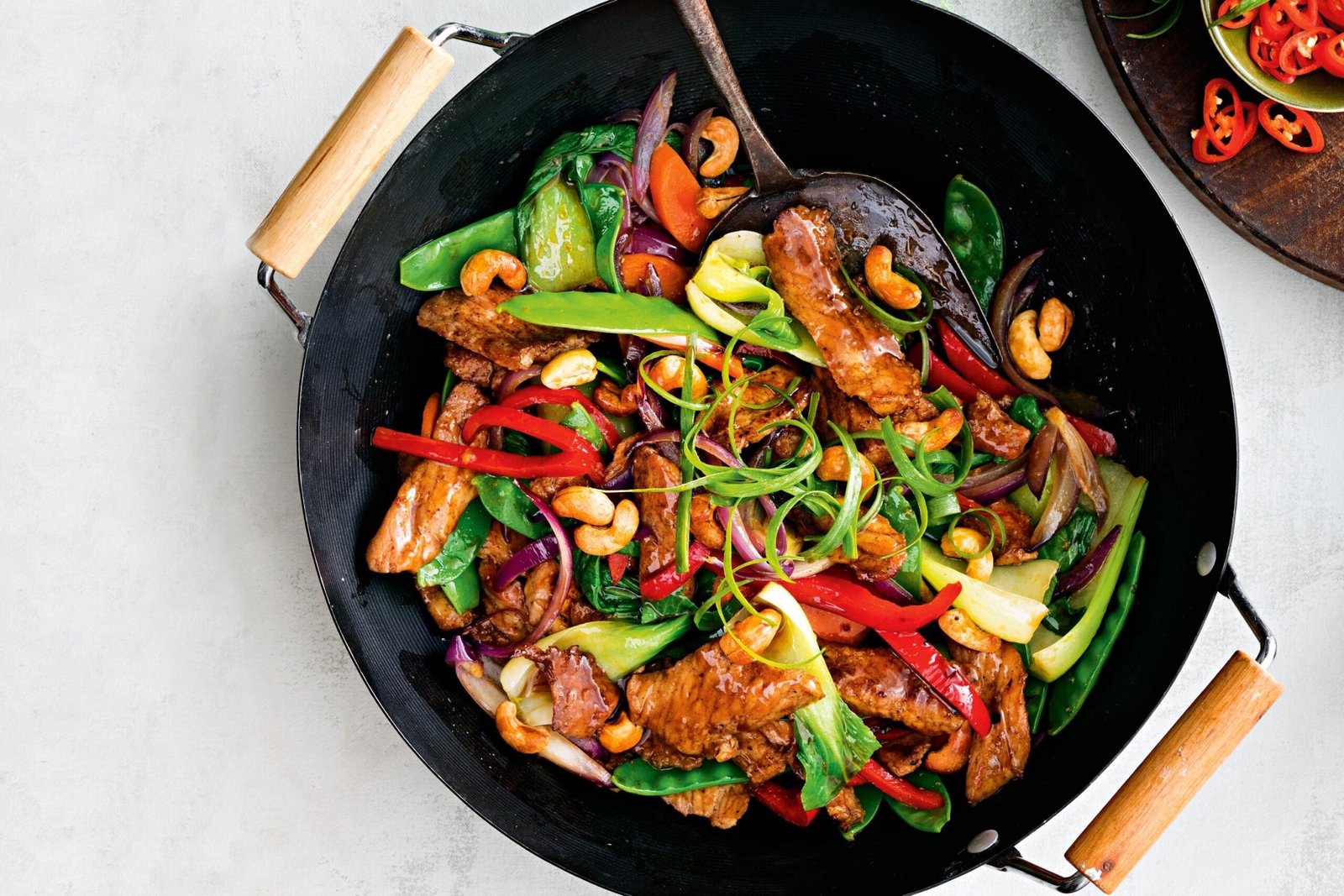
Kung Pao chicken hits that perfect sweet-spicy-nutty balance that keeps you reaching for seconds. I still laugh remembering my first plate in Chengdu—the chilies made my eyes water, but the peanuts added such satisfying crunch I couldn’t stop. It’s a gateway Sichuan dish: bold without being overwhelming, and way better than the gloopy takeout versions back home.
The Story Behind This Sichuan Favorite
Named after a Qing Dynasty official (Ding Baozhen, whose title was “Kung Pao”), this dish emerged in Sichuan province as a quick stir-fry for busy folks. Legend says the official loved it so much he popularized it. Today, it’s a global hit, though authentic versions lean drier and more aromatic than Western adaptations. It showcases Sichuan’s love for ma la—numbing heat from peppercorns mixed with chili fire.
Key Ingredients That Make It Sing
Diced chicken, dried red chilies, Sichuan peppercorns, and roasted peanuts are non-negotiable. Fresh ginger, garlic, and scallions build the aromatics, while a sauce of soy, vinegar, and sugar ties it together. The magic happens in a blazing-hot wok—high heat ensures crispy edges without sogginess.
Quick Home Version and Where to Find It
Want to cook it yourself? Marinate chicken, stir-fry chilies and peppercorns first for that signature aroma, then add everything else. It takes 15 minutes and beats delivery. In the US or Pakistan, seek out authentic Sichuan spots—avoid overly sweet American-Chinese versions. Pair it with steamed rice to soak up the sauce.
Pros and Cons of Kung Pao Chicken
Pros: Fast to make, customizable heat level, addictive crunch from peanuts, great for weeknights.
Cons: Can be too spicy for kids or heat-sensitive folks (dial back the chilies), peanuts are a common allergen.
Variation tip: Swap chicken for shrimp or tofu for a lighter twist.
3. Mapo Tofu: The Fiery, Silky Sichuan Classic
Mapo tofu looks humble but packs a punch—soft tofu swimming in a spicy, numbing sauce that tingles your lips. The first time I made it at home after a trip to Chengdu, my friends were speechless (in a good way). It’s comfort food with attitude, proving tofu can be the star of the show.
The Legendary Tale of Mapo Tofu
Created in the late 1800s by a pockmarked grandma (Chen Mapo) in Chengdu who ran a small eatery for laborers. She used affordable ingredients like tofu and minced meat, spiking it with chili bean paste and peppercorns. The name “mapo” stuck affectionately, and by the 1920s, it was refined into the version we love. It even spread to Japan as mabo dofu.
Essential Ingredients for Authentic Flavor
Silken tofu cubes, ground beef or pork, doubanjiang (fermented chili bean paste), douchi (black beans), Sichuan peppercorns, and chili oil create that signature red, oily sauce. Garlic, ginger, and scallions add freshness. The sauce clings perfectly thanks to a cornstarch slurry.
Cooking Tips and Modern Twists
Use soft tofu—it absorbs the sauce like a sponge. Simmer gently so it doesn’t fall apart. At home, serve over rice with a cold beer to cut the heat. Modern versions add mushrooms for umami or tone down spice for beginners. It’s vegan-friendly if you skip the meat.
Pros and Cons of Mapo Tofu
Pros: Inexpensive, protein-packed, endlessly adaptable, delivers bold flavor in under 20 minutes.
Cons: Very spicy by default (warn guests), tofu texture not for everyone.
Health note: The capsaicin can boost metabolism—bonus!
4. Sichuan Hot Pot: The Ultimate Communal Feast
Hot pot turns dinner into an event—you cook your own food in bubbling broth while chatting and laughing. My group once spent three hours around a Chengdu pot, fishing out morsels and toasting with baijiu. It’s interactive, customizable, and the definition of “food as bonding.”
How Hot Pot Became a National Obsession
Born in Sichuan and Chongqing in the early 20th century among river workers using cheap offal, it evolved into a year-round favorite. The split pot (spicy vs. mild broth) lets everyone win. Today, it’s everywhere from street stalls to upscale chains, with broths infused with dozens of spices.
What Goes in a Proper Hot Pot Spread
Mala broth (chili oil, peppercorns, spices) or clear chicken stock as base. Dippers include thinly sliced beef, lamb, tofu, mushrooms, lotus root, glass noodles, and greens. Dipping sauces mix sesame, garlic, and cilantro. The broth flavors everything beautifully.
Tips for Your First Hot Pot Experience
Start mild if you’re spice-shy, then graduate to the red side. Cook meats briefly (10-20 seconds) for tenderness. Restaurants often have all-you-can-eat options. At home, use an electric hot pot—cheap and fun for parties.
Pros and Cons of Sichuan Hot Pot
Pros: Social and fun, infinitely customizable, great value for groups.
Cons: Can get messy, very spicy versions might overwhelm, requires fresh ingredients.
Pro move: End with noodles in the enriched broth.
Comparing the Four Popular Chinese Dishes Side by Side
| Dish | Region | Spice Level | Best For | Prep Time (Home) | Price Range (Restaurant) | Texture Highlight |
|---|---|---|---|---|---|---|
| Peking Duck | Beijing | Mild | Special occasions | 2+ hours | $$–$$$ | Crispy skin |
| Kung Pao Chicken | Sichuan | Medium-High | Quick weeknight | 15 mins | $–$$ | Crunchy peanuts |
| Mapo Tofu | Sichuan | High | Comfort with heat | 20 mins | $ | Silky + numbing |
| Hot Pot | Sichuan | Variable | Group bonding | 30 mins setup | $$ (per person) | Interactive broth |
This table shows why they complement each other—mix and match for the ultimate Chinese meal.
People Also Ask: Common Questions About These Chinese Favorites
What is the most popular Chinese dish overall?
Peking duck and dumplings often top global lists, but regionally, hot pot reigns in China. These four consistently rank high for tourists and locals alike.
Are all these dishes very spicy?
Not at all—Peking duck is mild and sweet, while Kung Pao and Mapo pack heat. Hot pot lets you choose your spice level. Start mild and build tolerance.
How do I make these at home without a wok?
A heavy skillet works fine. Focus on high heat for stir-fries and fresh ingredients. Online Asian markets ship doubanjiang and peppercorns easily.
Is Chinese food like this healthy?
Yes, when balanced—lots of veggies, lean proteins, and shared plates encourage moderation. Hot pot especially lets you load up on greens.
Where can I find authentic versions near me?
Look for “Sichuan” or “Beijing-style” on menus. In major cities, apps like Yelp highlight hidden gems.
FAQ: Your Burning Questions on Popular Chinese Dishes Answered
Q: Can beginners handle these dishes?
Absolutely. Order mild versions or ask for less spice. Start with Peking duck—it’s the most forgiving.
Q: What drinks pair best?
Tsingtao beer cuts richness, jasmine tea refreshes, or milk tea for sweetness. Avoid overpowering reds with spicy dishes.
Q: Are there vegetarian options?
Mapo tofu swaps meat for mushrooms easily. Hot pot has endless veggie platters. Peking duck? Not so much, but sides work.
Q: How long do leftovers last?
Tofu and chicken keep 2 days in the fridge. Reheat gently to preserve textures—never microwave hot pot broth!
Q: Why try these over takeout staples?
They deliver real regional depth and stories. Once you taste authentic, generic fried rice feels flat.
These four popular Chinese dishes aren’t just meals—they’re tickets to China’s vibrant food culture. Next time you crave something exciting, skip the usual suspects and go for one (or all) of these. Your taste buds will thank you, and who knows? You might find yourself planning a trip to Beijing or hosting your own hot pot night. Grab some chopsticks and dive in—what’s your first pick?